

How to Take Care of Pets
To provide for your pet's needs, you must be committed to doing so. pet care at home , shelter and water are all part of the care.
Make sure your pet has a safe area to rest away from the traffic in your home. Keep up with your parasite control, vaccinations and annual vet examinations.
Play with your pets - even tiny animals like fish and hamsters enjoy being physically active. This is essential for their physical and mental well-being.
Preventative Care
Pets are much more than just pets to their owners. They are family members and a part of the family. Being a good pet owner involves taking care of their needs and making sure they're healthy. care pet includes playing with them regularly, taking them for regular health checks, and even grooming them. Also, it involves providing them with a clean and safe home. pet care at home is also important to ensure they have access fresh, clean water.
It is also important to keep their surroundings clean, particularly when they live in an aquatic habitat like an aquarium for turtles or fish in an aquarium. Regular cleaning can prevent the buildup of dirt and toxins which can be harmful to their health. It is important to give your pet plenty of exercise along with a clean, comfortable and safe home. This can keep them physically healthy and emotionally content. Owners with mobility issues or lack the energy to take their dog out, or clean a cage or a litter box, might require assistance with caring for their pets.
A vital part of responsible pet ownership involves making sure that your pet is regularly vaccination-free. This will help to stop them from developing illness and even more serious illnesses when they are not treated quickly. It is also crucial to have all pets spayed or neutered so that they do not contribute to the population of homeless cats and dogs in shelters or on the streets.
It is important to feed your pet a nutrient-rich diet. It is important for their health and growth. However it is also essential to ensure that they don't overeat. Overfeeding may lead to obesity, and other health problems such as kidney problems.
Health Care
As a responsible pet parent, you must provide your pets with the necessary health care. It is important to ensure that your pet has a healthy body weight. This will reduce the chance of developing health issues like joint or diabetes. Also, it is important to feed them a well-balanced diet that is appropriate for their age and breed as well as the vet's advise you on.
Another crucial aspect of veterinary health care for pets is flea and tick prevention. The fleas can cause itchy, irritated skin and allergic reactions in some animals. To avoid ticks and fleas it is recommended to treat your pets and your home monthly with a vet-approved product.
Also, ensure that your pet is getting enough physical exercise. This will help prevent medical problems such as arthritis and keep them in shape. If you can, it is recommended that your pet engages in about an hour's worth of exercise each day. It could be as easy as a stroll through the neighborhood or playing with them, or throwing a ball at them in the yard.
pet and home care is also a good idea to take your pet to the vet regularly. This can be a challenge for some pets, specifically cats who aren't keen to leave the comfort of their home. It is possible to acclimatize your pet from an early age and take them for short excursions in the car regularly so that they don't get nervous when they visit the vet.
If mobility or health problems are hindering you from taking your pet for regular walks and cleaning their litter box, or ensuring that they have access to clean water, you should consider enlisting the help of your family member, a neighbor, or local animal care providers. There are more options available than ever before for pet owners older than 60 who require assistance in caring for their furry companions.
Training
It's wonderful to have a pet at home, but you also are responsible to ensure the animal's health and happiness. Responsible pet ownership begins with the right pet care tips.
For dogs and cats, for example, need to be taught regularly to prevent unwanted behavior such as ripped-up shoes or sloughing off the house. Both their mental and physical health require daily exercise. You can accomplish this by taking your dog on a walk or by throwing a ball at your cat. It can also be as easy as filling your puppy's food bowl and water bowl several times a day.
As part of responsible pet care you must also ensure that your pet has a place to sleep and rest. Shelter is one of the most important methods to take care of your pet and keep them warm and cozy during cold weather. It is essential to keep their habitats clean, including cleaning the aquariums and fish tanks.
Your pets also need to be well-nourished and maintained at a healthy weight. Feeding your pet a diet of high quality that is suitable for their species is a good method of achieving this.
In the end, it is important to take your pet to the vet on a regular basis for health checks and vaccinations. This is particularly crucial for pets with young children because they can suffer serious health issues if don't receive their vaccinations on schedule. It is also important to be prepared to deal with emergencies that might occur, including knowing how to monitor your pet's vital signs and giving first aid.
Socialization
Socialization is a crucial aspect of taking care of pets. It helps to establish the most positive behavior possible and develop a strong relationship with your pet. Socialization is the process of making pets more familiar with other animals and people in a controlled space. This makes them more comfortable in new environments. pet care at home is especially important for dogs and cats. It is important to socialize your dog or cat during their "sensitive period" which can last between 3 and 14 weeks in the case of puppies, and 3 months to 9 months in the case of kittens.
Pets that aren't socialized may develop anxiety and fears which can lead to unruly behavior such as hiding under the bed or displaying aggressive posturing. Shyness could also be an inheritance trait that cannot be completely altered through classes in training and socialization.
When socializing, pet owners have to be patient and help their pet feel secure and at ease. Talk calmly and confidently to your pet and give treats to reward their positive behavior. Introduce your pets slowly at first so they are familiar with their scents and sounds. It is a good idea to ensure your home is pet-proofed to ensure that your dog doesn't discover things that could pose a risk (including poisons, tacks and electrical cords, threads holiday ornaments and string).
In the course of socialization, it is essential to give your pet some time to be with you. You can also place a few toys inside the cage. This will help your pet understand that you can trust them, even if they are scared. It's a great idea take your puppy or kitten out on walks with you, and expose them different environments, including stores as well as the car, veterinarians and groomers.
Exercise
Pet ownership is not only an enjoyable experience, but also a huge responsibility. Pets require attention and care to remain healthy and happy. Exercise is an excellent method to connect with your pet and provide care for them. Exercise can help burn off unused energy and prevents health issues such as obesity.
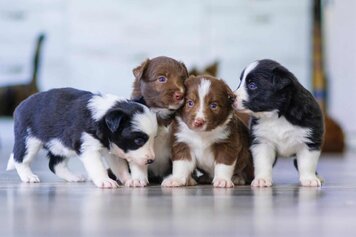
It is essential to select the right type of exercise for your dog. It will depend on their breed, size, and current level of activity. For instance, a large dog may not be a fan of running around the neighborhood or taking walks. They may love to swim or play fetch in the backyard. It is important to ensure that the environment where you exercise with your pet is safe. This means that you have to pet-proof your home to protect them from hazards such as chemical substances, medications and loose cables or wires.
Pets are active and need to to let this energy out in a positive way. Otherwise, they could develop problem behavior. This could include chewing on pillows or being very active. You can keep your pet healthy by taking them on walks or playing at the dog park and playing in the backyard, and participating in obedience training. Some pets will even enjoy a session of doga with you.
The bottom line is that your pet should exercise regularly to stay healthy and happy. Without it, they will develop behavioral problems and may be at risk for certain medical conditions. If you are unsure of the best type of exercise for your pet, consult with your vet or an animal trainer. They can give you a plan that will work for your pet's health and fitness needs.